
Page Turner Studios’ Blog
Practical Advice for Self Publishing Authors
Helping authors make informed publishing decisions with practical, real-world advice.
Explore our blog for practical articles covering book formatting, eBook and ePub preparation, Amazon KDP, publishing guidance, common publishing mistakes, and Author Support.


Kindle Unlimited vs Publishing Wide: What Authors Should Know
Choosing between Kindle Unlimited and publishing wide can shape where readers discover your eBook, how you earn from it and which retailers can sell it. But many independent authors do not realise that publishing through Amazon KDP and enrolling in KDP Select are two different decisions. Kindle Unlimited can provide access to an active subscription readership, while KDP Select requires digital exclusivity during each enrolment period. Publishing wide allows your eBook to remain on Amazon while also reaching readers through retailers such as Kobo and Apple Books. So which approach is right for your book? This guide explains how Kindle Unlimited works for authors, what KDP Select exclusivity means, the benefits and trade-offs of publishing wide, and the questions worth asking before you choose. There is no universal answer, but understanding your options can help you make a publishing decision based on your books, readers, goals and data.
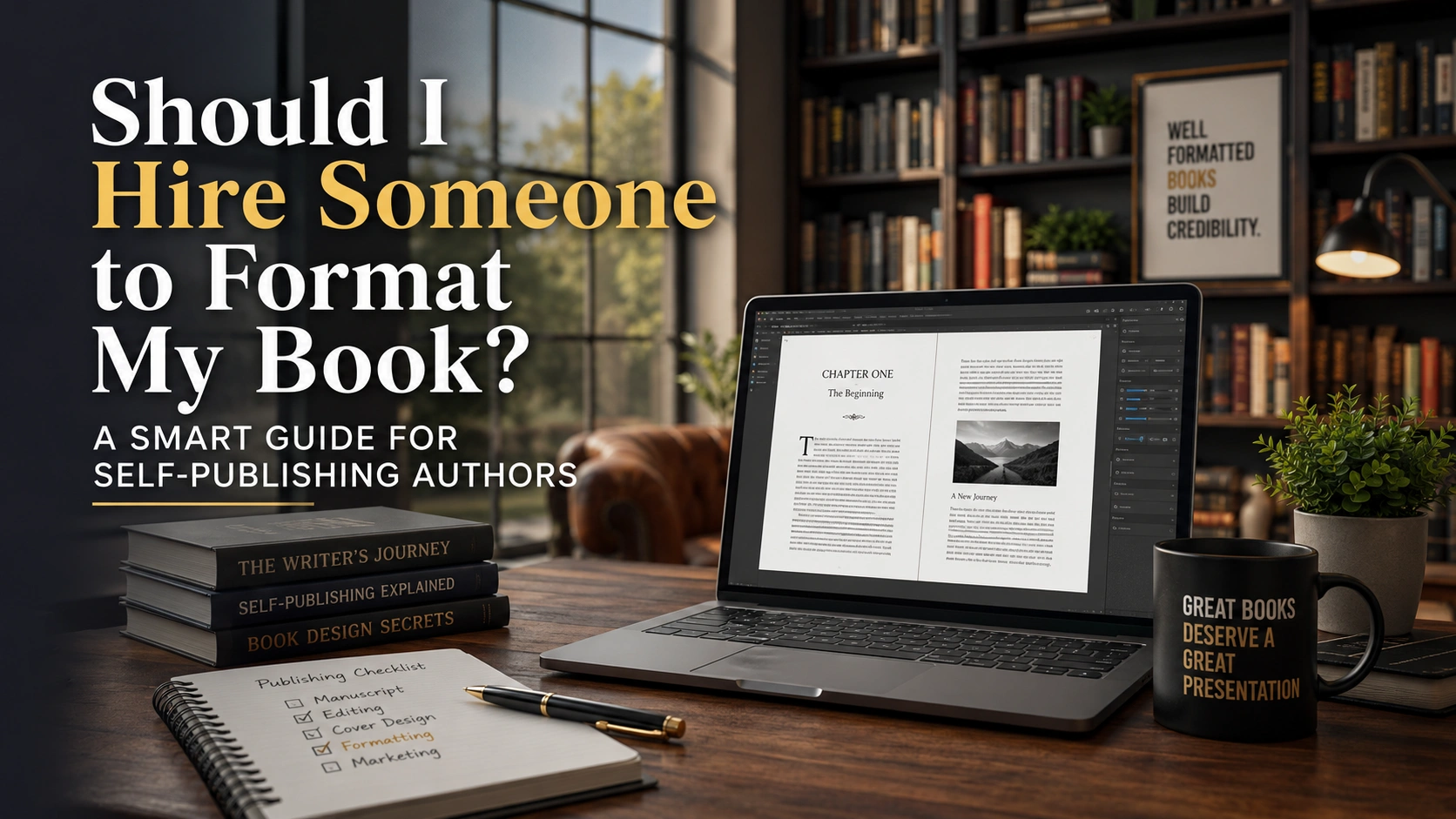
Should I Hire Someone to Format My Book? A Smart Guide for Self-Publishing Authors
Wondering, “Should I hire someone to format my book?” Many self-publishing authors underestimate how important professional formatting is until they encounter ebook conversion issues, print layout problems or reader complaints. This article explores whether hiring a professional formatter is worth the investment and explains how formatting affects readability, credibility and publishing quality across Kindle, ebook and print platforms. Learn the difference between DIY formatting and professional book formatting, why Amazon KDP requirements can become technical, and how formatting impacts reader experience and author reputation. If you are preparing your manuscript for self-publishing, this guide will help you decide whether outsourcing your formatting could save time, reduce stress and create a more polished final product. Discover what professional formatting services include and why presentation matters more than many authors realise.
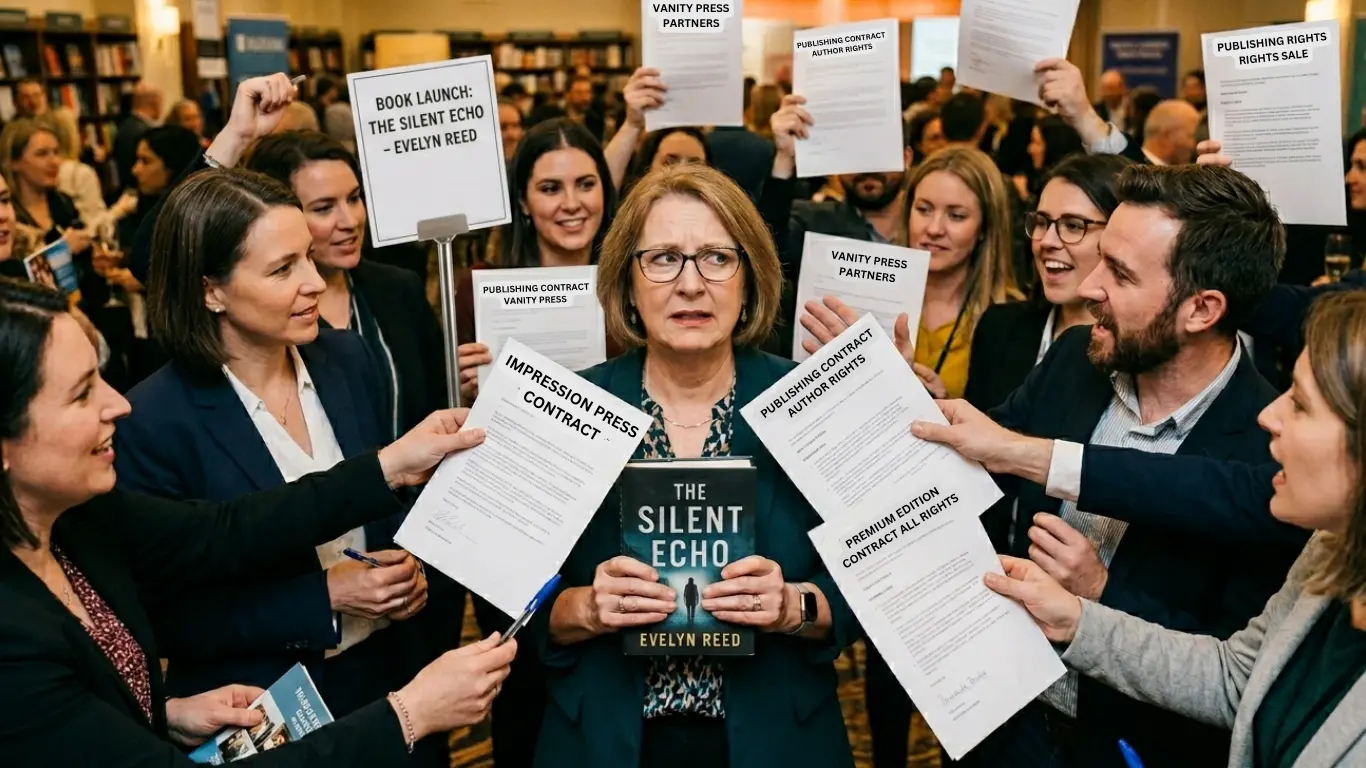
Vanity Publishing Explained: Warning Signs Every Author Must Know
Vanity Publishing can cost authors thousands while offering little real value in return. In this guide, we break down the difference between Vanity Publishing, Traditional Publishing, and Self-Publishing so authors can make informed decisions before signing contracts or handing over money. Learn the biggest warning signs of Vanity Publishing companies, including inflated pricing, misleading marketing promises, loss of publishing rights, and aggressive sales tactics designed to pressure authors into expensive packages. We also explain why modern Self-Publishing has become a professional and respected pathway for indie authors who want full control over their books, royalties, and publishing future. Whether you are publishing your first book or researching publishing support services, this article will help you avoid costly mistakes, protect your author rights, and confidently navigate the publishing industry with clarity, transparency, and control over your publishing journey.

A Proven 7-Step Book Formatting Process to Make Your Book Print-Ready
Formatting a book is one of the most underestimated parts of the publishing journey for indie authors. What begins as a finished manuscript quickly becomes a technical challenge involving margins, spacing, ePub conversion, print requirements, and interior layout design. In this guide, Page Turner Studios walks authors through the complete professional book formatting process, from the first enquiry form to final print-ready PDF and ePub delivery. Learn why formatting matters more than most authors expect, how professional typesetting improves the reader experience, and what happens during each stage of preparing a book for print and digital publishing. Whether you are publishing your first novel or refining your next release, this article explains how a clear, supportive formatting workflow can remove stress, improve production quality, and help transform your manuscript into a polished, professional book ready for readers.

5 Essential Benefits of Professional Book Formatting for Self-Published Authors
Professional book formatting plays a vital role in helping self-published authors present their work with clarity, quality, and confidence. While many writers begin the publishing process thinking they can manage formatting themselves, most quickly discover that creating a polished, reader-ready interior requires specialised skills. Professional formatting ensures consistent styling, clean structure, smooth readability, and files that meet publishing platform requirements. It also prevents the common issues that cause delays, frustration, and poor first impressions. For self-published authors who want their book to stand confidently alongside traditionally published titles, outsourcing formatting is one of the smartest investments they can make. It frees up valuable time, protects creative energy, and results in a book that feels professional from the first page to the last. This level of quality supports credibility and strengthens the reader’s trust in your work.

7 Proven Ways to Avoid Book Formatting Mistakes That Hurt Self-Published Authors
Book formatting mistakes are one of the most common reasons self-published books feel unprofessional, despite strong writing and editing. Many authors assume formatting is a simple final step, only to discover layout problems, rejected files, or poor reader experience after publication. These issues often come from inconsistent paragraph styles, incorrect margins, manual spacing, or rushed ePub conversions. Left unchecked, small formatting errors can compound into major delays and added costs. Understanding where book formatting mistakes occur — and how to avoid them — allows authors to protect their publishing timeline and present their work with confidence. This guide outlines seven proven ways to avoid the most damaging formatting mistakes self-published authors make, helping ensure your book is clear, readable, and ready for readers across print and digital platforms.