
Vanity Publishing: What Authors Need to Know Before Signing Anything
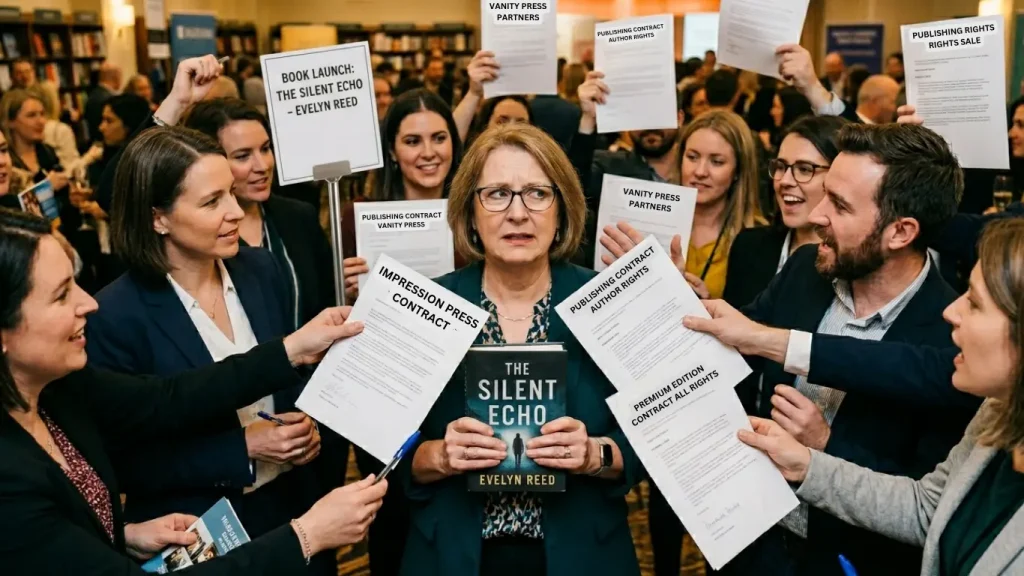
The dream of becoming a published author is powerful. For many writers, holding that first printed copy of their book feels like the finish line after months, or even years, of work. And unfortunately, that dream is exactly what Vanity Publishing companies know how to exploit.
We speak to indie authors every single week who are overwhelmed, confused, or recovering financially after experiences with Vanity Publishing companies that promised the world and delivered very little. Some were charged thousands of dollars for services they could have accessed themselves for a fraction of the price. Others signed contracts they didn’t fully understand and lost control over their own books.
The hardest part is this: many Vanity Publishing companies don’t call themselves vanity publishers anymore.
They often rebrand themselves as “hybrid publishers”, “author partner publishers”, or “full-service publishing houses”. Some look incredibly professional. Some have polished websites, sales teams, and convincing promises. Some even rely on fear-based marketing to make authors feel like self-publishing is too complicated to manage alone.
This article is not about attacking businesses. It is about education.
Because authors deserve to understand the difference between Traditional Publishing, Self-Publishing, and Vanity Publishing before they hand over thousands of dollars or sign away rights to their work.
We are going to break down:
- What Vanity Publishing is
- Why Vanity Publishing is different from Traditional Publishing
- How Self-Publishing gives authors more control
- The common warning signs of Vanity Publishing
- Questions every author should ask before signing anything
- A full checklist to help protect yourself
- Why many authors are now choosing professional self-publishing support instead
If you are currently researching publishing options, this article could save you a significant amount of money, stress, and disappointment.
That matters to us.
Because indie authors already work hard enough without someone profiting from confusion.
Download a FREE Copy of our Vanity Publishing Protection Checklist
What Is Vanity Publishing?
Vanity Publishing is a business model where the author pays a company to publish their book.
That might sound harmless at first. After all, authors pay for services in self-publishing too, right?
The difference is in how the company operates, what they promise, and whether the author is truly receiving value, transparency, and control in return.
A Vanity Publishing company typically makes its money from the author, not from selling books to readers.
That distinction matters.
Traditional publishers succeed when books sell well to readers. Vanity Publishing companies often succeed whether the book sells or not, because the author has already paid thousands upfront.
Many Vanity Publishing companies package together services like:
- Editing
- Formatting
- Cover design
- ISBN registration
- Printing
- Distribution
- Marketing
- Publishing support
Then they sell those packages at heavily inflated prices.
In many cases, authors are charged anywhere from $5,000 to $20,000+ for services that could have been sourced independently for a fraction of the cost.
Even worse, many Vanity Publishing contracts include clauses that:
- Limit author royalties
- Restrict rights
- Lock authors into long agreements
- Control pricing
- Require authors to purchase stock themselves
- Prevent easy removal of the book from the platform
Some authors do not realise until later that they never actually owned full control of their own publishing account.
That is one of the biggest dangers of Vanity Publishing.
Traditional Publishing vs Vanity Publishing vs Self-Publishing
This is where a lot of confusion happens.
Let’s break it down properly.
Traditional Publishing
In Traditional Publishing:
- The publisher acquires your manuscript
- The publisher invests their own money into your book
- The publisher pays for editing, design, production, and distribution
- The publisher takes the financial risk
- The author receives royalties from book sales after the retainer is met
Traditional publishers make money when readers buy books.
This means they are selective. Extremely selective.
Most manuscripts submitted to Traditional Publishing houses are rejected simply because publishers are investing their own money and resources.
Traditional Publishing can offer:
- Bookstore access
- Wider distribution
- Industry prestige
- Advance payments, sometimes
- Professional teams
But it also often means:
- Lower royalty percentages
- Long timelines
- Reduced creative control
- Rights limitations
- Contract complexity
Traditional Publishing is not inherently bad. Neither is Self-Publishing.
They are simply different pathways.
Self-Publishing
Self-Publishing means the author controls the publishing process themselves.
That does not mean the author has to do everything alone.
This is an important distinction many Vanity Publishing companies deliberately blur.
In Self-Publishing, authors can hire professionals individually for:
- Editing
- Formatting
- Cover design
- Marketing
- Upload assistance
- Publishing support
But the author remains in control.
The author owns:
- Their accounts
- Their royalties
- Their files
- Their rights
- Their pricing
- Their publishing decisions
Platforms like Amazon KDP, IngramSpark, and other print-on-demand services have made Self-Publishing more accessible than ever before.
That does not mean Self-Publishing is “easy”.
It still requires:
- Professional formatting
- Correct file preparation
- Understanding print specifications
- Metadata optimisation
- Cover compliance
- EPUB testing
- Marketing effort
But the author keeps ownership and flexibility.
At Page Turner Studios, this is the space we operate in.
We support indie authors with professional formatting and publishing guidance while ensuring the author remains fully in control of their own publishing journey.
That distinction matters enormously.
Vanity Publishing
Vanity Publishing sits in a very different space.
A Vanity Publishing company often:
- Charges large upfront fees
- Markets aggressively to authors
- Promises exposure or success
- Uses confusing publishing language
- Controls aspects of the publishing process
- Profits primarily from the author
Some Vanity Publishing companies are honest about their service structure.
Others are not.
Some intentionally position themselves to sound like Traditional Publishing opportunities, even though the author is funding the entire operation.
That is where many authors get caught.
Why Vanity Publishing Appeals to Authors
This part is important to understand.
Most authors who end up with Vanity Publishing companies are not naive.
They are hopeful.
They are overwhelmed.
And often, they are being targeted during vulnerable moments.
Writing a book is emotional. Publishing it can feel intimidating. Authors are already navigating:
- Imposter syndrome
- Technical confusion
- Fear of failure
- Information overload
- Industry jargon
- Pressure to “do it right”
Then a Vanity Publishing company appears promising:
- Simplicity
- Legitimacy
- Professionalism
- Support
- Fast results
- “Industry access”
For a stressed author, that can sound incredibly reassuring.
Especially when the alternative feels complicated.
Vanity Publishing sales tactics rely on:
- Fear-based messaging
- Urgency
- Validation
- Emotional pressure
- Confusing terminology
Some authors are told:
- “Self-publishing won’t be taken seriously”
- “You need us to get into bookstores”
- “Amazon publishing is too difficult”
- “You need a publisher to succeed”
- “Your book has huge potential”
- “We only accept select manuscripts”
Meanwhile, nearly everyone who enquires is accepted.
That is a major warning sign.
Download a FREE copy of our Vanity Publishing Protection Checklist.
The Biggest Problems With Vanity Publishing
1. Inflated Costs
One of the biggest issues with Vanity Publishing is cost inflation.
Authors are often charged thousands for services that:
- Are outsourced cheaply
- Are template-based
- Lack true customisation
- Are incomplete
- Could be sourced independently for far less
We have seen authors charged:
- $10,000+ for basic formatting and upload support
- Thousands for “marketing packages” with almost no measurable return
- Additional hidden fees for revisions
- Printing markups far beyond industry norms
Professional publishing services absolutely have value.
But transparency matters.
Authors should understand:
- What they are paying for
- What the real market rates are
- What rights they retain
- What control they keep
2. Loss of Rights and Control
This is one of the most serious concerns with Vanity Publishing.
Some companies:
- Upload books under company-controlled accounts
- Register ISBNs in the company name
- Restrict author access
- Control metadata
- Lock authors into contracts
That means the author may not fully own or control their own publishing assets.
Imagine trying to update your own book pricing, remove your book, or move publishers later and discovering you cannot easily do so.
Unfortunately, this happens more often than authors realise.
3. Misleading Marketing Promises
Marketing is one of the most exploited areas in Vanity Publishing.
Many companies sell expensive “marketing packages” that sound impressive but deliver very little.
Examples include:
- Generic social media posts
- Automated email blasts
- Paid ads with no strategy
- Press releases no one reads
- Listings on obscure websites
- Book fair exposure
- Catalogue inclusion
None of these guarantee sales.
Real book marketing is ongoing, strategic, and difficult.
No legitimate company can guarantee bestseller status or widespread success.
Be extremely cautious of promises that sound too good to be true.
Because in publishing, they usually are.
4. Poor Quality Production
Some Vanity Publishing companies prioritise quantity over quality.
We have seen:
- Incorrect margins
- Broken EPUB files
- Inconsistent formatting
- Low-resolution covers
- Print errors
- Accessibility issues
- Books failing platform review
Many authors do not realise there is a problem until readers complain.
Professional formatting matters.
Professional production matters.
And unfortunately, paying more does not always mean receiving better quality.
Why Self-Publishing Is Not “Less Professional”
This is one of the biggest myths Vanity Publishing relies on.
Self-Publishing is no longer the last resort it once unfairly carried a reputation for.
Some of the most successful authors in the world are self-published.
Many authors now choose Self-Publishing because they want:
- Creative control
- Faster release schedules
- Higher royalty percentages
- Ownership
- Direct reader relationships
- Flexibility
Professional Self-Publishing simply means building the right support team around your book.
That can include:
- Editors
- Formatters
- Cover designers
- Proofreaders
- Marketing specialists
The key difference is that the author remains the publisher.
You are hiring professionals to support your vision, not surrendering ownership of it.
Checklist: Warning Signs of Vanity Publishing
If you are speaking to a publishing company, here are some major warning signs to watch for.
They Accept Almost Everyone
Traditional publishers reject manuscripts constantly.
If a company praises your book heavily within minutes and immediately offers expensive packages, be cautious.
They Pressure You to Sign Quickly
Urgency tactics are common in Vanity Publishing.
Examples:
- “Limited spots”
- “Today only pricing”
- “Your book has huge potential”
- “You must act quickly”
Professional businesses allow authors time to research and think.
They Avoid Clear Pricing
Transparency matters.
If pricing is vague, hidden behind calls, or constantly upsold later, ask questions.
They Promise Bestseller Success
Nobody can guarantee book sales.
Nobody.
Publishing success depends on:
- Market demand
- Reader engagement
- Marketing
- Genre trends
- Audience building
- Timing
Be wary of guaranteed outcomes.
They Want Control of Your Accounts
You should own:
- Your KDP account
- Your files
- Your ISBN decisions
- Your royalties
Always.
Their Contracts Are Difficult to Exit
Read contracts carefully.
Especially clauses involving:
- Rights ownership
- Royalty splits
- Term length
- Removal fees
- Renewal clauses
They Focus More on Selling You Than Selling Books
This is a huge indicator of Vanity Publishing.
If the business seems more focused on convincing authors to buy expensive packages than reaching readers, pay attention.
Questions Every Author Should Ask
Before signing anything, ask these questions.
Who owns the publishing accounts?
If the answer is not you, that is a problem.
Who receives the royalties directly?
You should ideally receive royalties directly from the platform.
What rights am I giving up?
Ask specifically about:
- Print rights
- Ebook rights
- Audio rights
- Distribution rights
- International rights
Can I leave easily if I choose to?
A professional service provider should not trap authors.
What exactly is included in the cost?
Request itemised breakdowns. Not vague promises.
Can I see examples of previous work?
Always ask for portfolios, samples, and examples.
Are these services outsourced?
Some companies charge premium prices while outsourcing cheaply elsewhere. Transparency matters.
What marketing results can realistically be expected?
Look for honest answers. Not fantasy.
Download a FREE Copy of our Vanity Publishing Protection Checklist
The Difference Between Publishing Support and Vanity Publishing
Professional publishing support services are not automatically Vanity Publishing.
Authors absolutely can and should seek professional help where needed.
For example:
- Formatting specialists
- Editors
- Cover designers
- Upload support
- ARC Readers
- Publishing consultants
The difference comes down to:
- Transparency
- Control
- Ownership
- Pricing
- Expectations
Our role is very clear.
We are not a publisher.
We do not take rights.
We do not own author accounts.
We do not take royalties.
We support indie authors by professionally preparing their files and helping them navigate the technical side of Self-Publishing while ensuring the author remains in control.
Why Authors Need to Slow Down Before Signing
Publishing a book is exciting.
But excitement can make authors vulnerable to rushed decisions.
Before signing with any company:
- Research thoroughly
- Read reviews
- Search Reddit discussions
- Read contracts carefully
- Ask questions
- Compare pricing
- Understand what services actually cost
And importantly: do not mistake complexity for legitimacy.
Some Vanity Publishing companies intentionally overwhelm authors with industry jargon to make themselves sound essential.
You are allowed to ask questions.
You are allowed to take your time.
And you are allowed to walk away.
The Emotional Cost of Vanity Publishing
This part often gets overlooked.
The financial loss hurts.
But the emotional impact can be worse.
We have spoken to authors who:
- Lost confidence in their writing
- Felt embarrassed
- Stopped pursuing publishing entirely
- Believed they had failed
- Became distrustful of legitimate support services
That is heartbreaking.
Because the problem was never that their stories lacked value.
The problem was being sold unrealistic expectations.
Publishing should empower authors, not leave them financially trapped and emotionally defeated.
Self-Publishing Does Not Mean Doing Everything Alone
This is one of the most important things we want authors to understand.
Choosing Self-Publishing does not mean you have to become:
- A formatter
- A designer
- A printer technician
- A metadata expert
- A publishing strategist overnight
Professional support exists for a reason.
The key is finding support services that:
- Educate rather than pressure
- Support rather than control
- Empower rather than exploit
That is a completely different relationship from Vanity Publishing.
Final Checklist Before Working With Any Publishing Company
Here is a practical checklist you can save before moving forward with any publishing service.
Vanity Publishing Safety Checklist
Ownership & Rights
- Do I retain full rights to my book?
- Will I own my publishing accounts?
- Will royalties be paid directly to me?
- Can I remove my book whenever I choose?
Pricing Transparency
- Is pricing clearly explained?
- Are there hidden fees?
- Is the service breakdown itemised?
- Have I compared pricing elsewhere?
Contracts
- Have I read the contract fully?
- Are there long lock-in periods?
- Are there cancellation penalties?
- Do I understand the royalty structure?
Production Quality
- Can I see portfolio examples?
- Are files professionally prepared?
- Is the company experienced with KDP/IngramSpark requirements?
- Do they understand EPUB standards and print formatting?
Marketing Claims
- Are promises realistic?
- Are they guaranteeing success?
- Do they explain marketing honestly?
- Is the strategy actually measurable?
Business Practices
- Am I being pressured to sign quickly?
- Are they transparent about their role?
- Do they clearly explain what they do?
- Do I feel informed rather than sold to?
If multiple red flags appear, slow down.
Research further.
And trust your instincts.
Download a FREE copy of our Vanity Publishing Protection Checklist
The Bottom Line on Vanity Publishing
Vanity Publishing thrives on confusion.
The more overwhelmed authors feel, the easier it becomes for expensive promises to sound appealing.
But authors deserve clarity.
They deserve transparency.
And they deserve to understand that Self-Publishing is a legitimate, professional, and increasingly powerful publishing pathway when approached correctly.
There is absolutely nothing wrong with hiring professionals to support your publishing journey.
The key is making sure you are paying for genuine expertise and support, not inflated promises wrapped in publishing jargon.
We believe authors should stay in control of their books, their files, and their publishing future.
Because your story deserves better than confusion dressed up as opportunity.
And publishing should never leave you wondering what exactly you paid for.